
A familiar cast-iron F-clamp silhouette, cleaned into a calmer body with clearer force direction and less visual noise.
Case Study / Cast-Iron F-Clamp
A familiar workshop clamp, rebuilt around force, casting and surface discipline.
Bulut turns a traditional F-clamp into a clearer industrial product: calmer geometry, stronger load-path readability, lighter casting logic and a body language that feels engineered before it feels styled.
3xhigher structural durability reported in prototype testing
10%lighter clamp body through casting-aware material reduction
G2smoother transitions used to reduce local stress peaks
FEAload-path review before the form was treated as final
Project DNA
The project was not about adding style to a tool. It was about making force legible.
The original brief asked for a clamp that felt familiar to craftspeople while outperforming the visual and structural habits of ordinary cast tools. Method Studio treated industrial design, CAD, ergonomics, casting optimization and validation as one connected decision system.
Grip, screw travel and contact points were tuned around how a craftsperson reads force before applying it.
Abrupt breaks were softened into more continuous transitions so the body could feel like one controlled load path.
Wall thickness, ribs, edge radii and mass reduction were treated as both structural cues and production decisions.
Prototype handling, surface review and simulation imagery were used to check the idea before presenting it as a finished product.
A workshop tool with a clearer identity: lighter, more composed and more product-like without losing toughness.
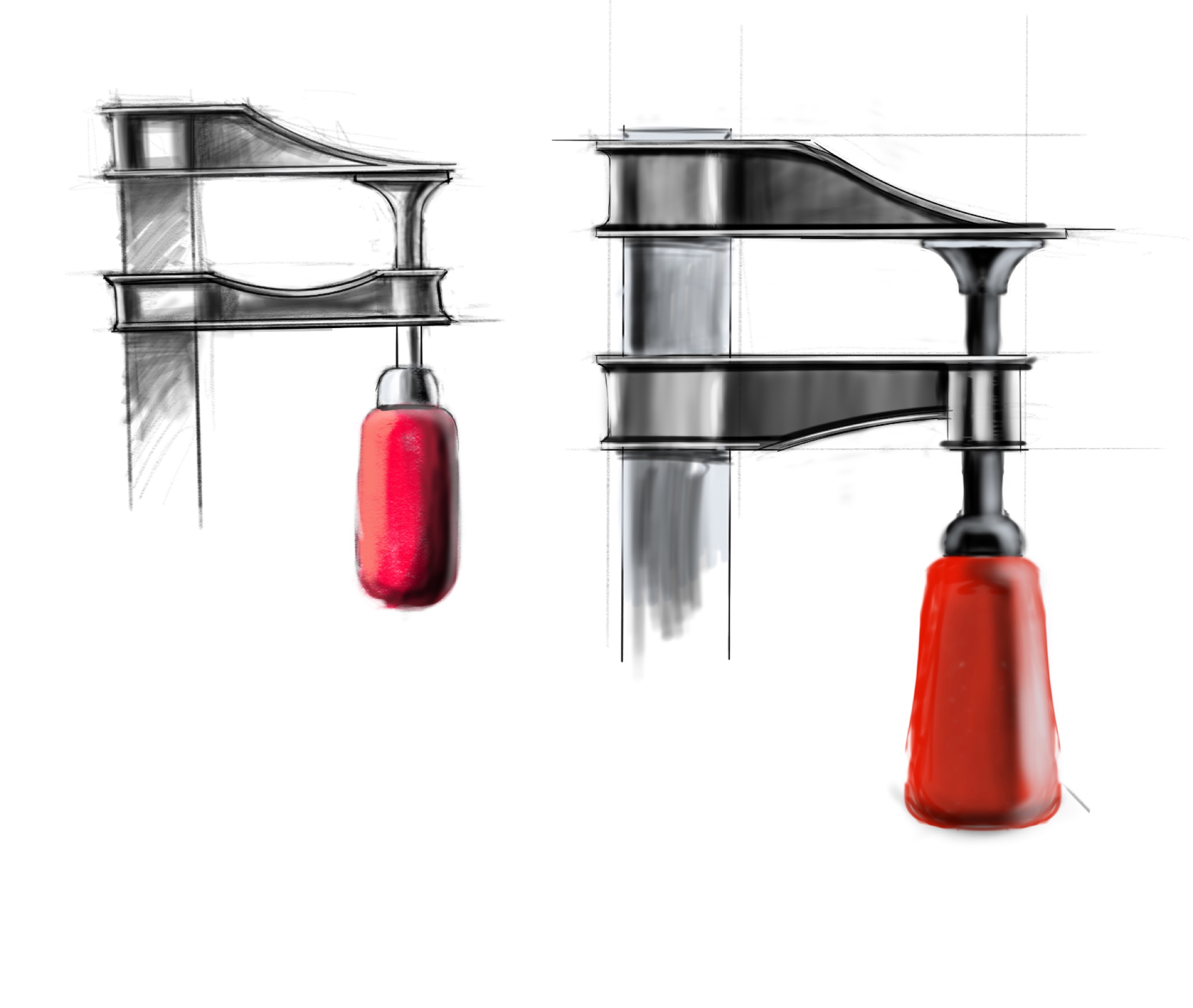
01 / Premise
A tool can feel familiar and still work harder.
Bulut started from a traditional woodworking clamp, then rebuilt the body language around grip confidence, leverage and structural readability. The goal was not to make a louder tool. It was to make the force path easier to understand at a glance.
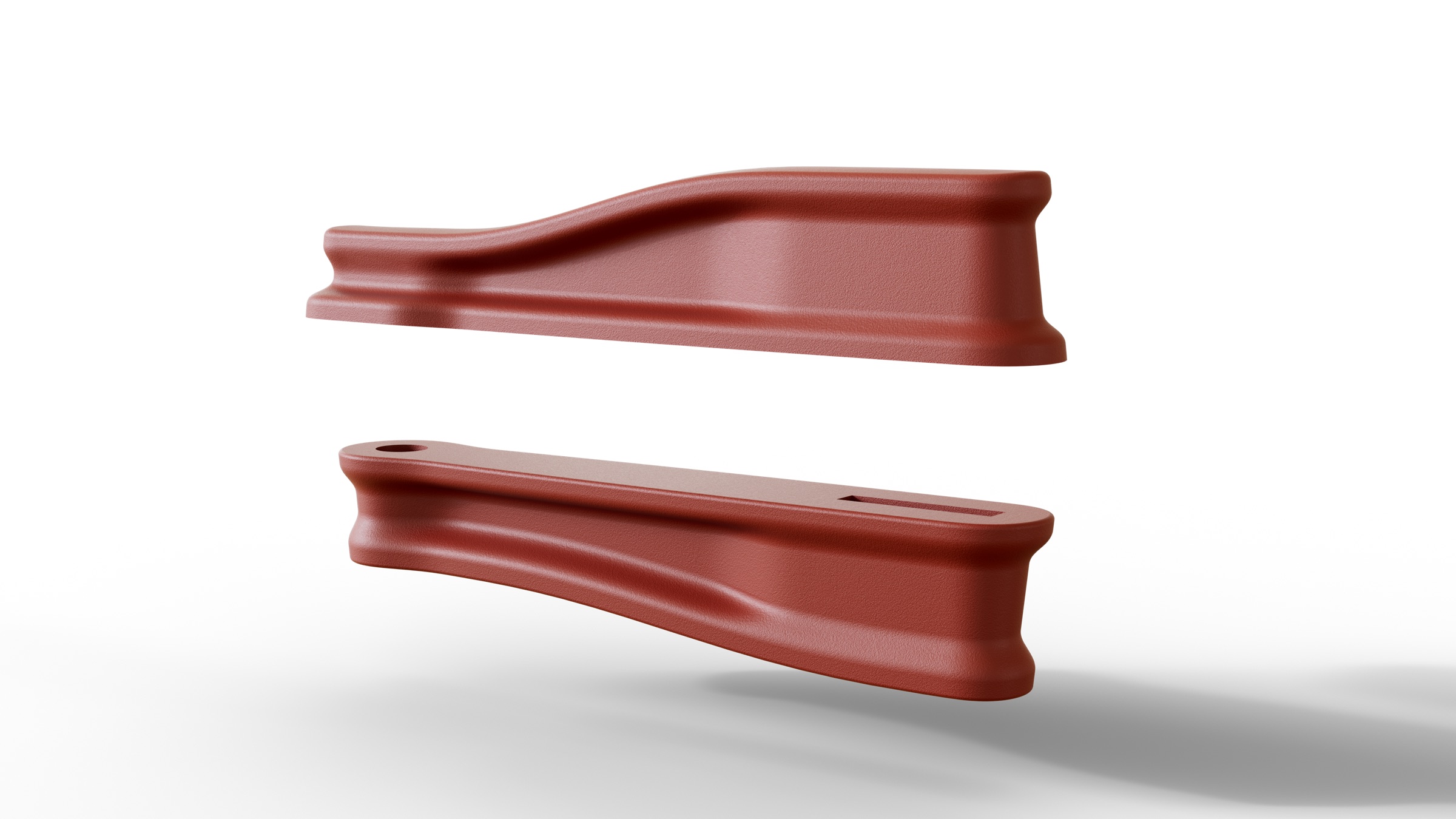
02 / Form Development
The clamp body was shaped as a load path, not decoration.
The main casting was refined through surface continuity, edge behavior and section flow. Heavy-looking areas were reduced, but the visual grammar still had to say workshop, pressure and dependability.
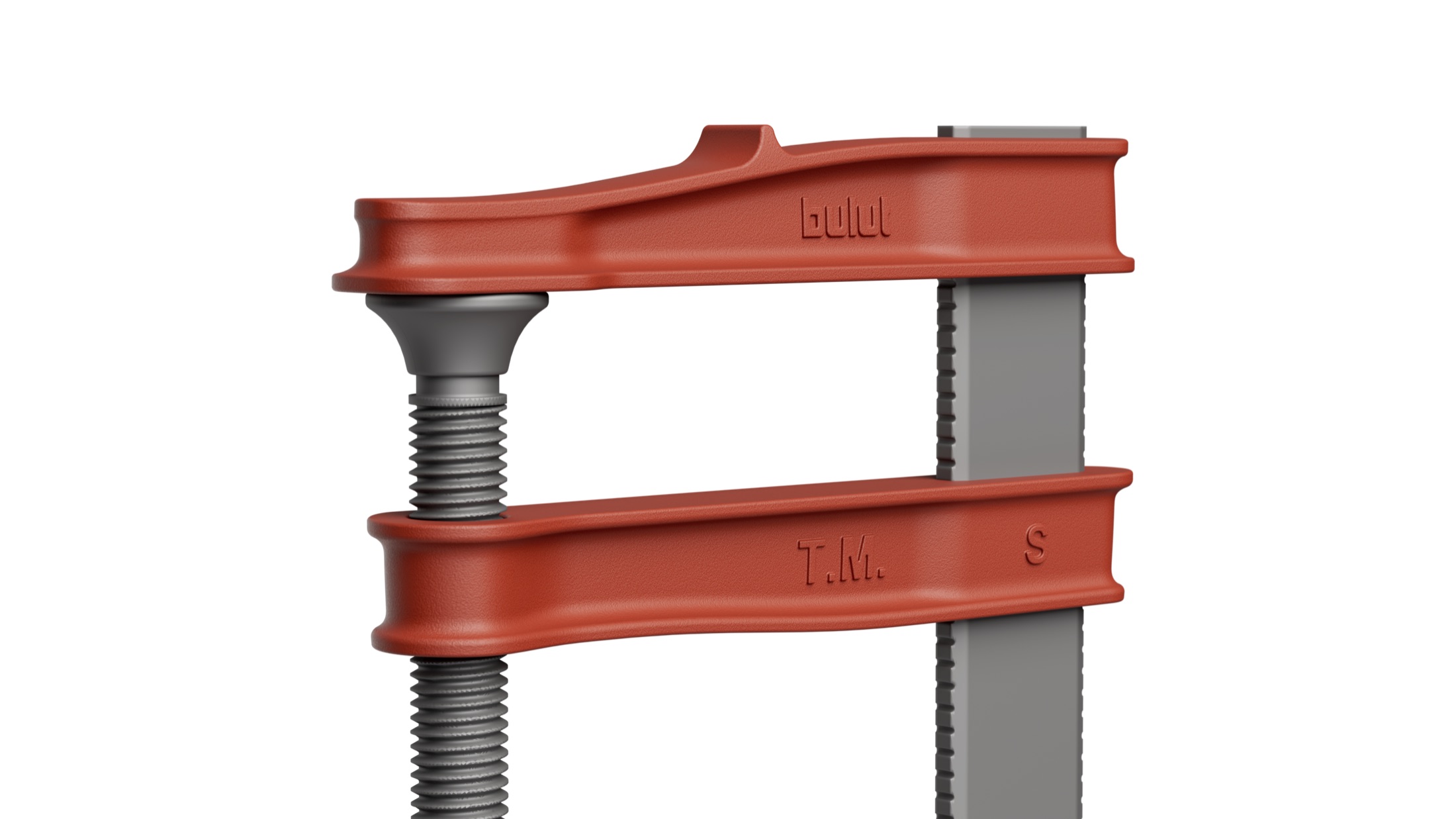
03 / Product Character
Industrial clarity replaced generic hardware noise.
Embossed details, stepped shoulders and softer transitions were balanced so the object could carry a brandable identity without turning into styling for its own sake.

04 / Physical Check
Prototype handling kept the object honest.
Hand-scale prototypes were used to test how the grip, pressure surfaces and handle confidence translated from CAD into real handling. The project stayed grounded in touch, not only render quality.
Evidence
Render, prototype and surface work are shown together because the product only works when they agree.
The strongest product stories do not separate emotion from engineering. Bulut uses visual calm, ergonomic confidence and structural cues to make a simple workshop object feel more resolved.
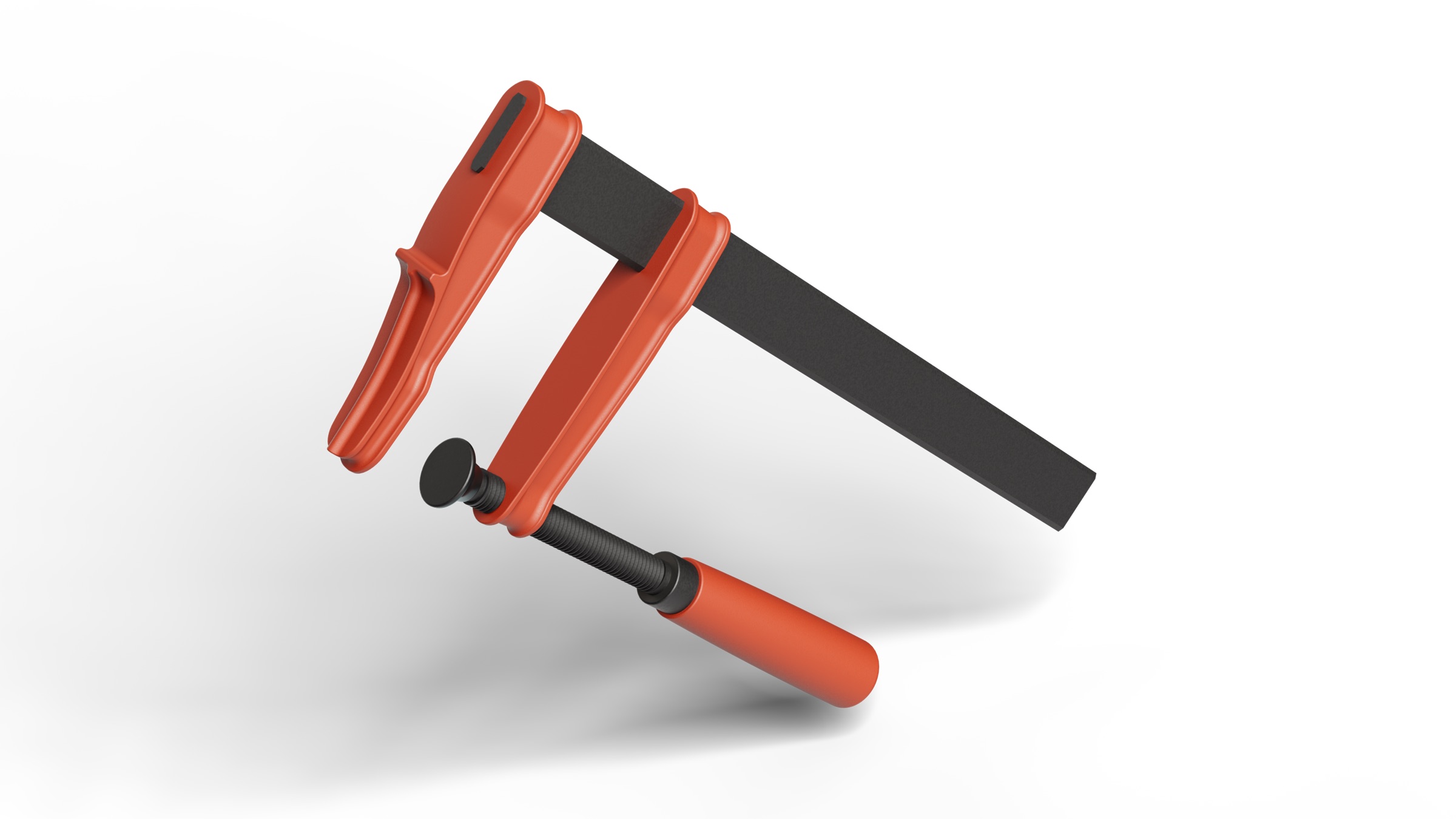
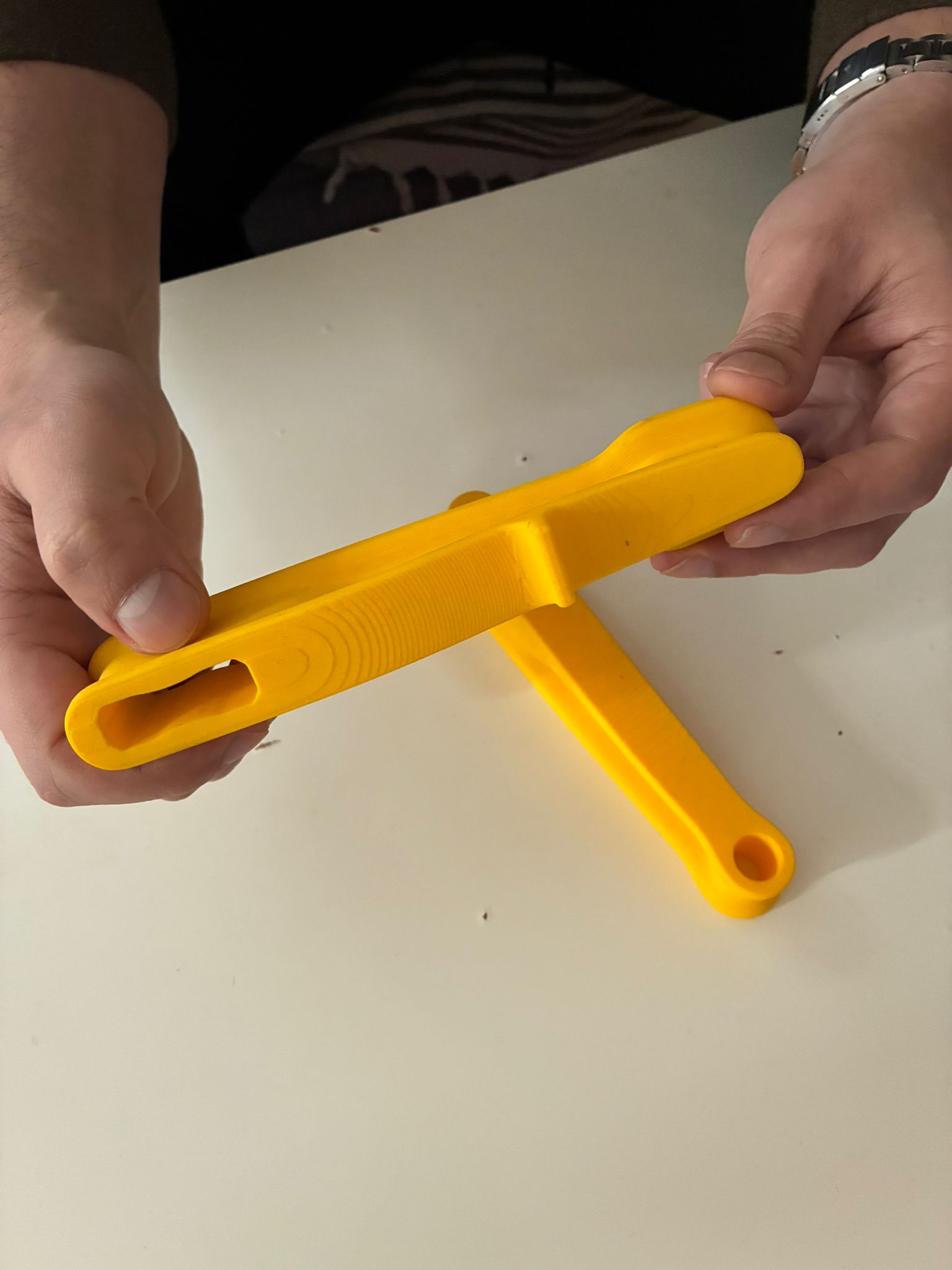
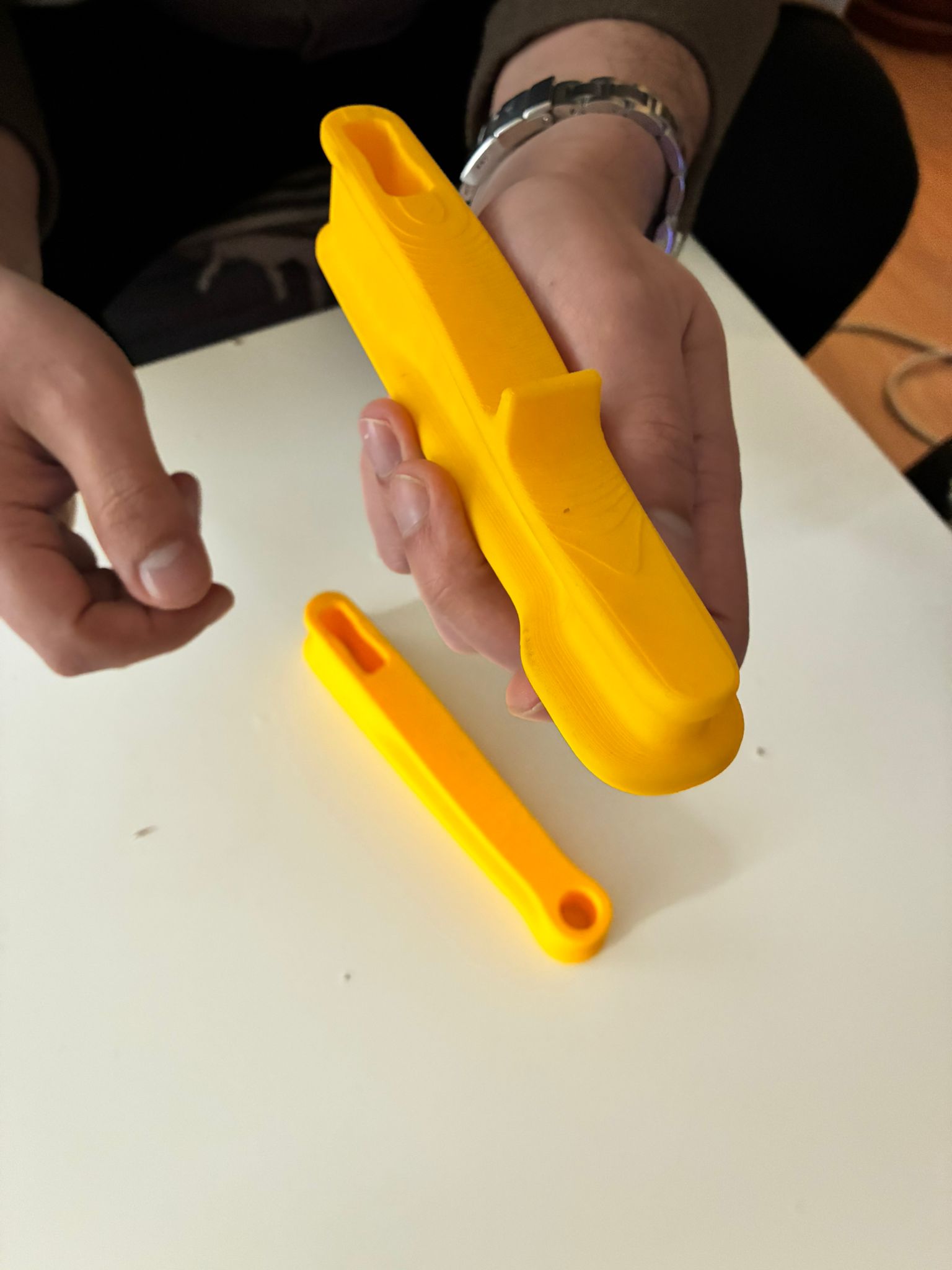
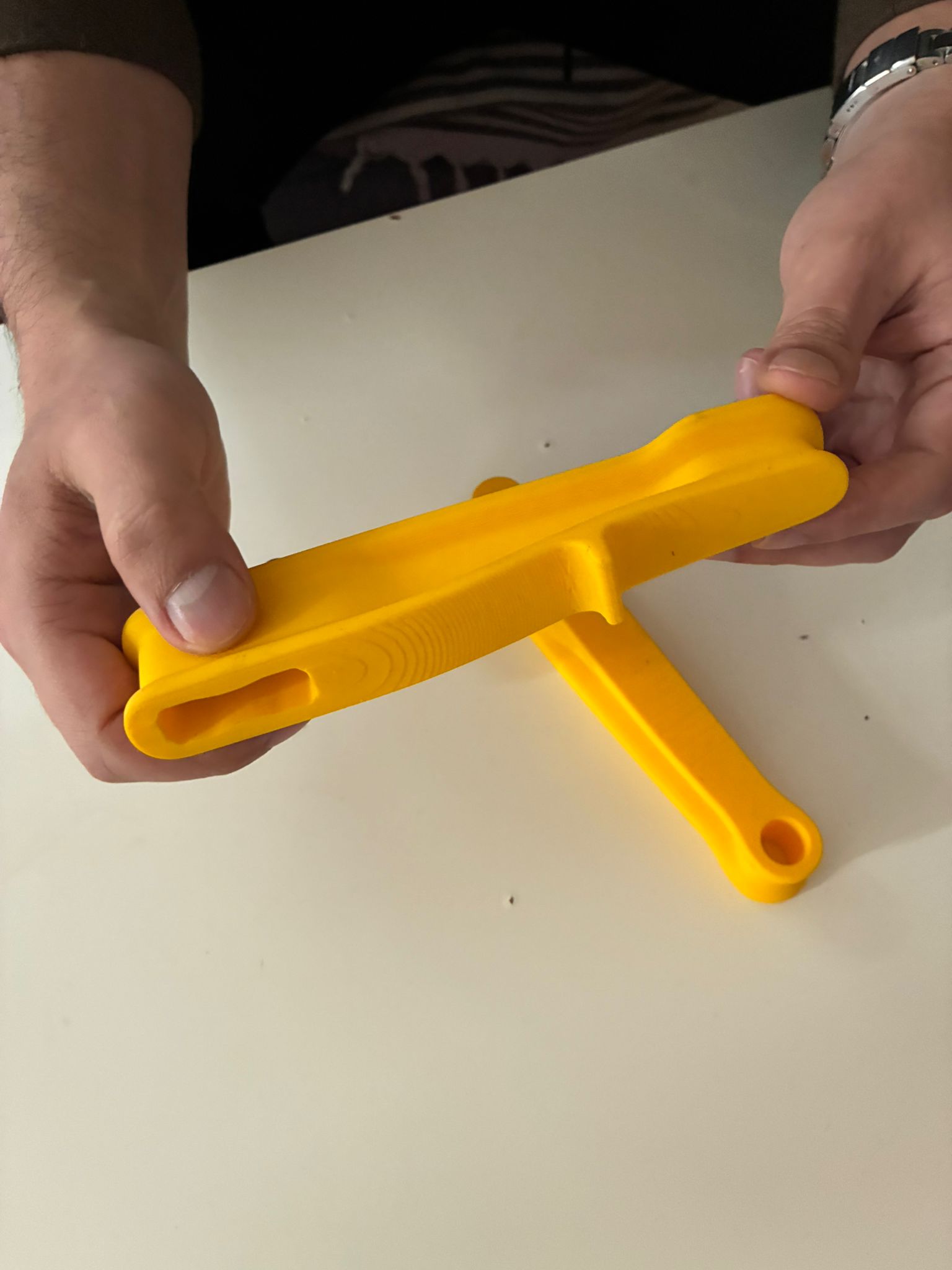
Original LinkedIn and Behance-style case material also references patented form language, FEA review and casting refinements. This web version keeps the claim focused on the design and development evidence visible in the archive.
Method Takeaway
A utilitarian product becomes valuable when its geometry explains why it should be trusted.
For tool, hardware and mechanical product work, Method Studio can support the route from brief to form direction, CAD development, surface control, prototype review and launch-ready visual material.