Breakfast set
Six containers, one serving system
A common tray, six containers and individual lids combine preparation, serving and storage in one product family.
OMAK / DecoBella · Product system
A range-development study extending one shared design and production logic across kitchen, storage and organisation products.
Developed for OMAK / DecoBella, six product lines were carried from CAD development into manufactured, market-facing products.
Production photographMass-production evidence
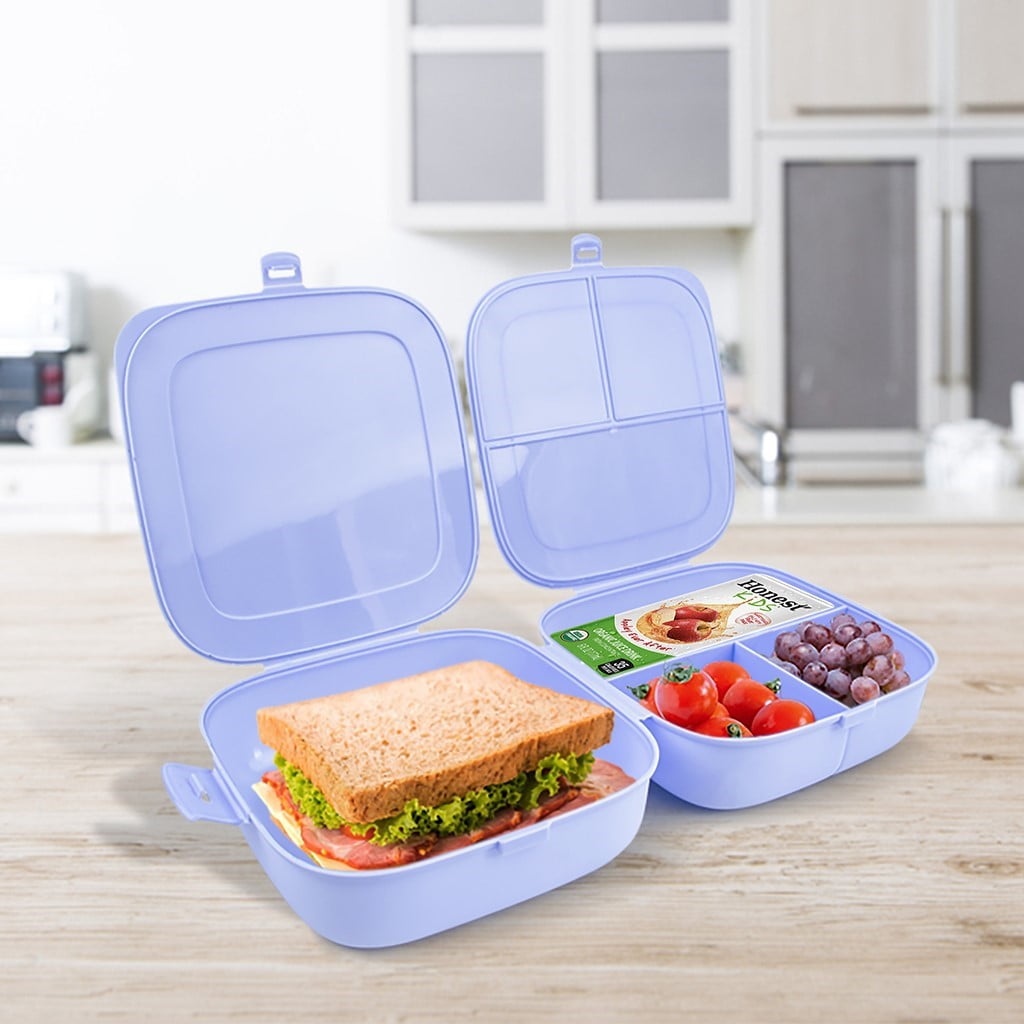
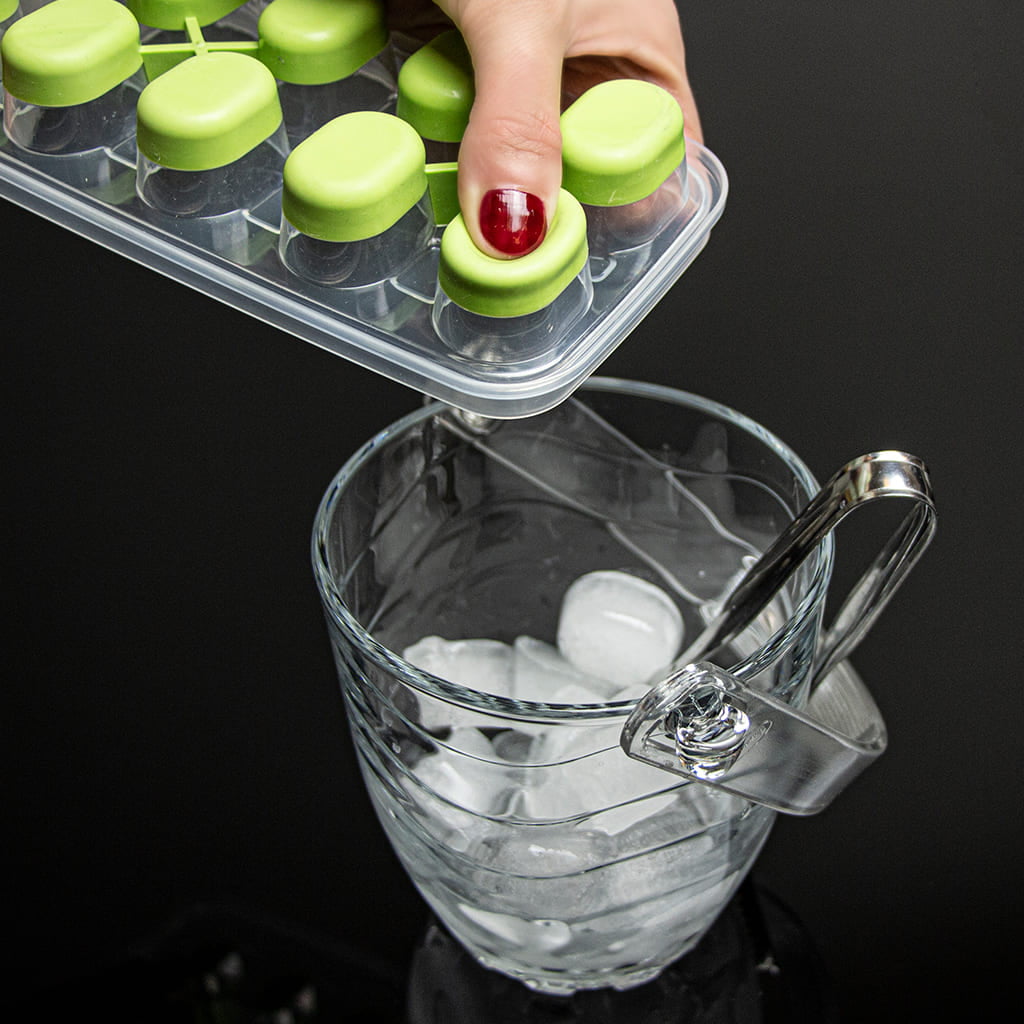
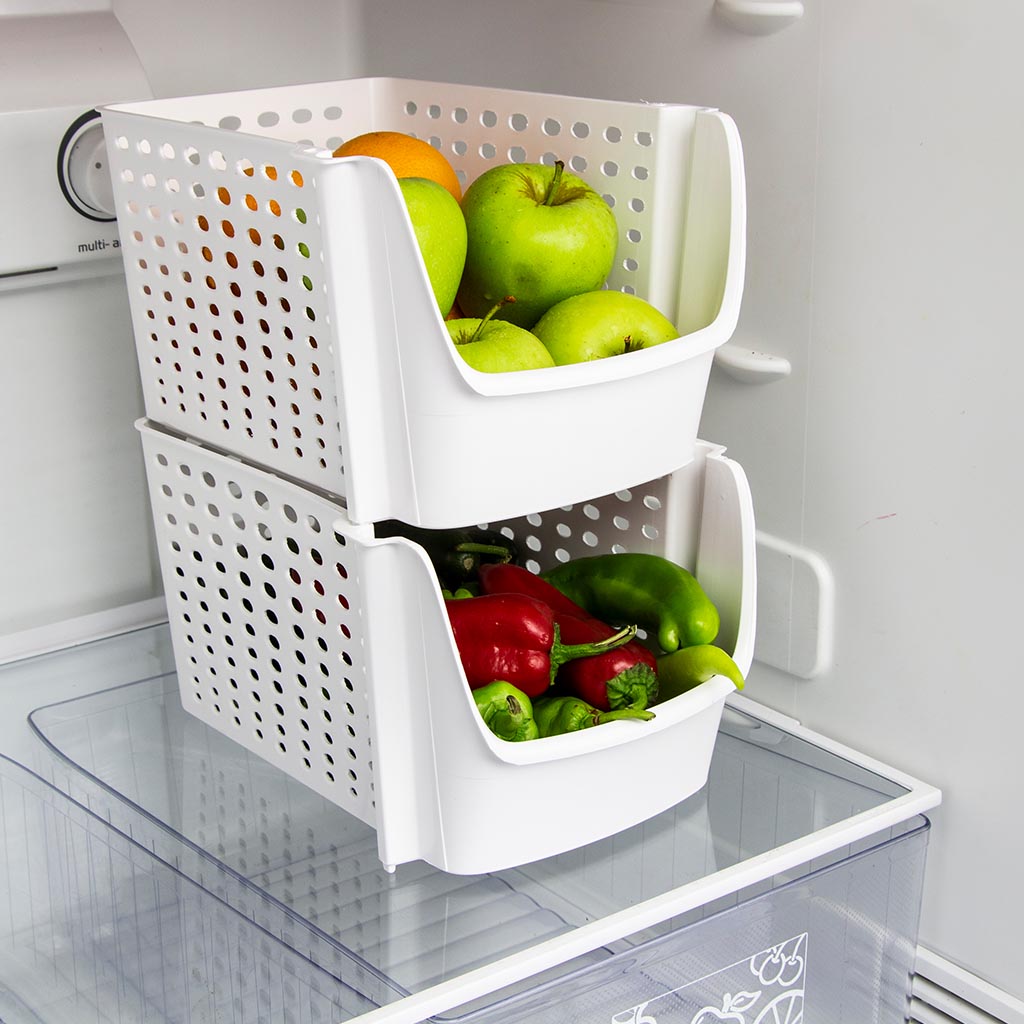
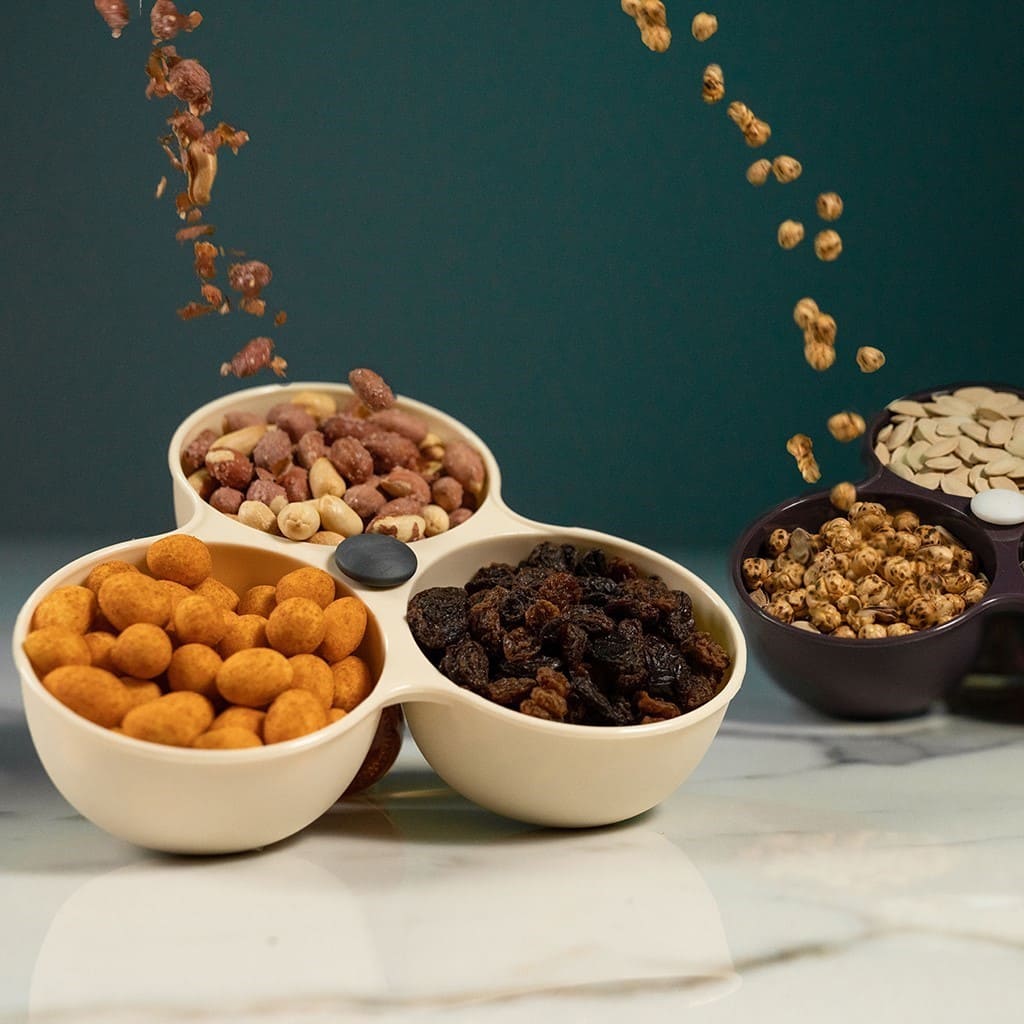
From lunchbox and ice tray to storage organiser, snack tray and cutting board, one development discipline becomes produced product across distinct use territories.
CAD geometry
Production decision
Market product
CAD → production → use
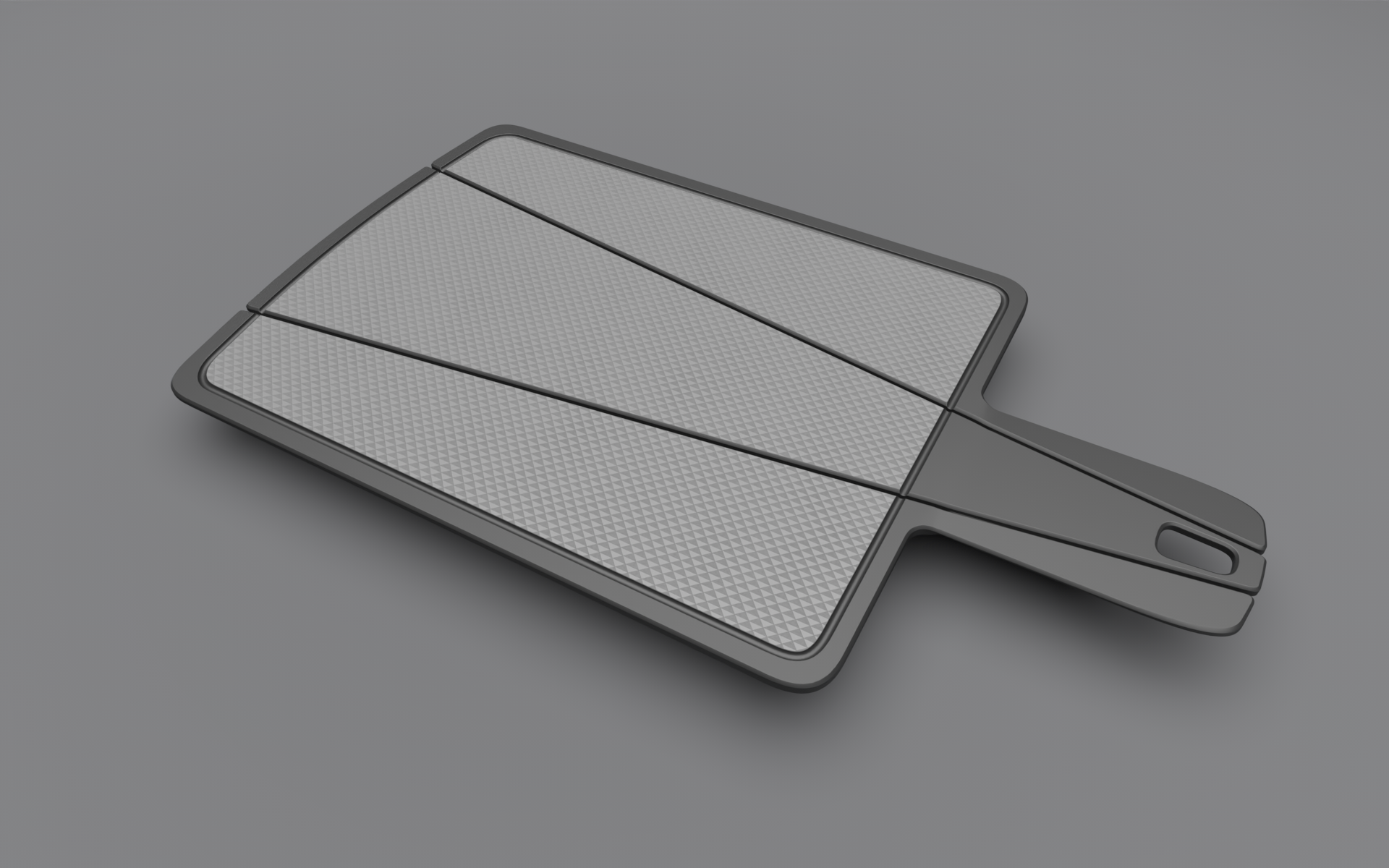
The folding cutting board shows the transition from archived design intent to a market-facing product most clearly.
01 / CADThe folding axis, joint lines and mould logic are resolved in one body.
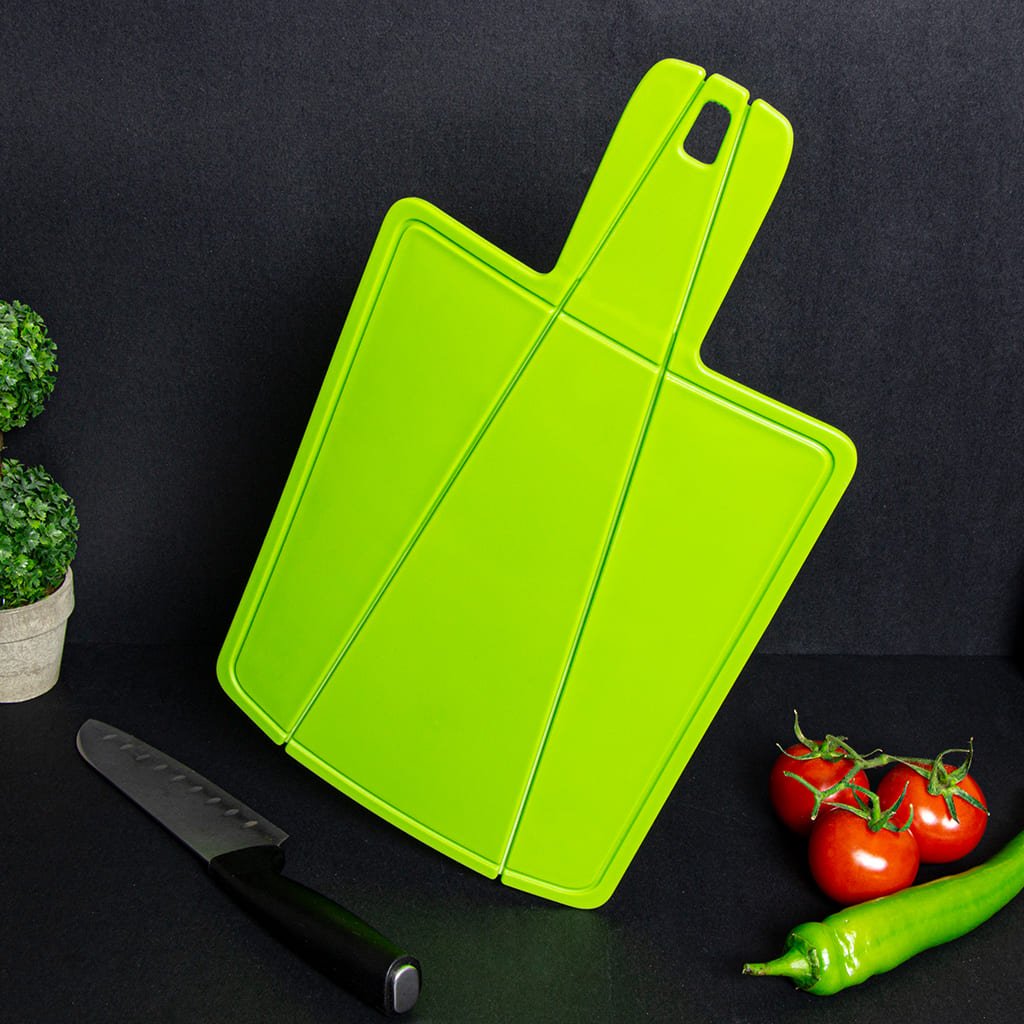 02 / Production
The same system moves into a physical product through material and production decisions.
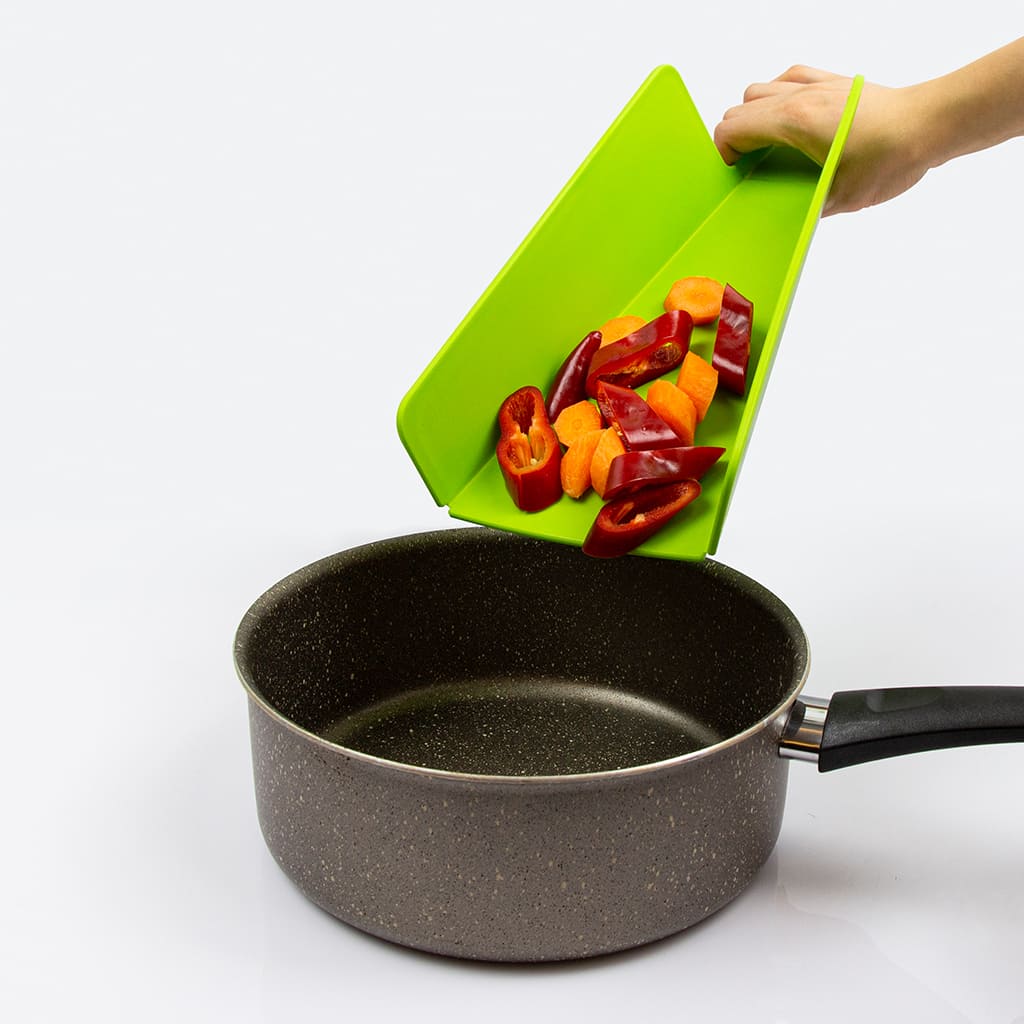
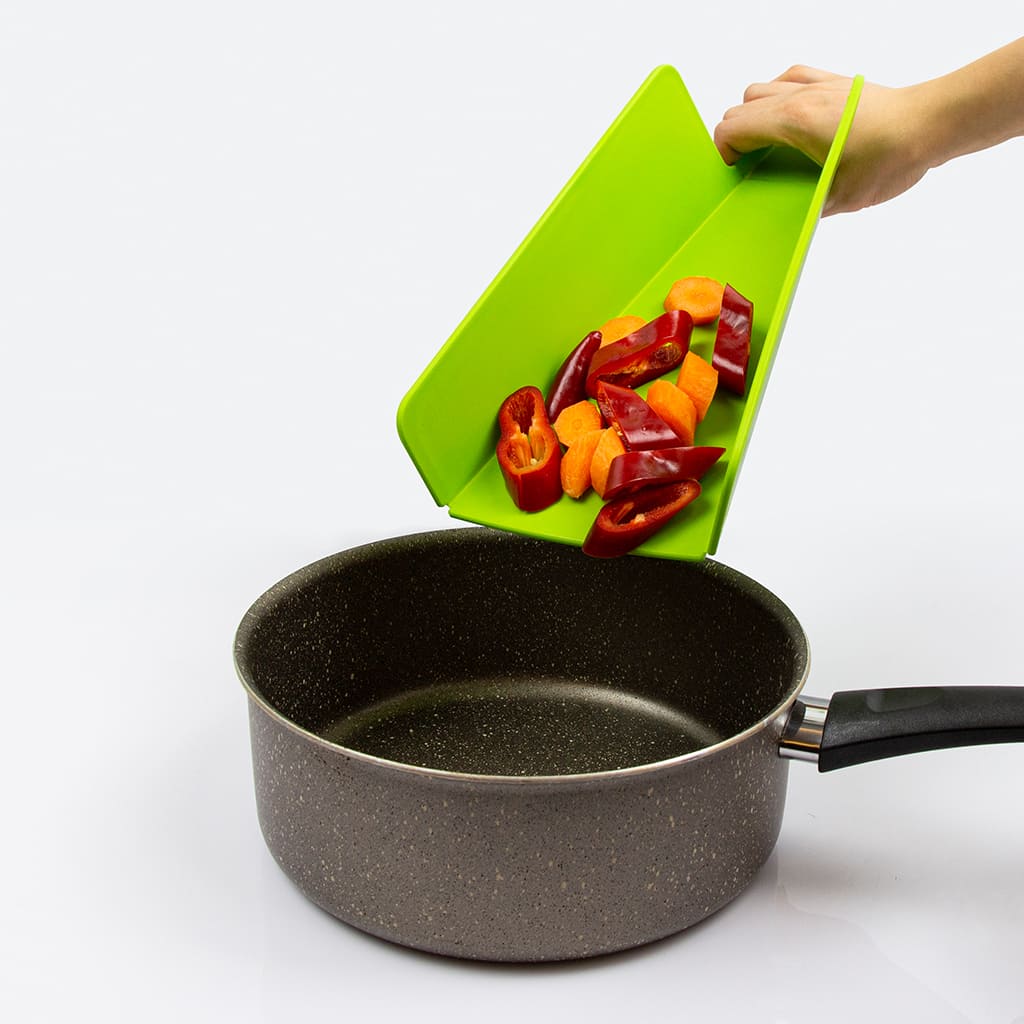 03 / In use
The folding action turns the board from a cutting surface into a controlled transfer tool.
Official campaign archive
Five official DecoBella films show the product system working through serving, organising, carrying, drying and preparation. Select a product to play it in place.
The backbone of the range
The DecoBella archive shows more than a collection of visually related objects. Its real continuity lies in a development method that simplifies use actions, incorporates production constraints into form and transfers to new products.
50849 · 50860 · 50862 · 81135 · 81140 · 81146
How does the system work?
Softened rectangles, readable grip zones and controlled part lines connect the products as one family.
Every form is developed together with wall thickness, demoulding, stacking and part assembly.
The same visual system is retained while each product clearly expresses its own use action.
System families
The archive below is grouped not as individual portfolio cards, but as three system families showing how one approach extends into different territories.
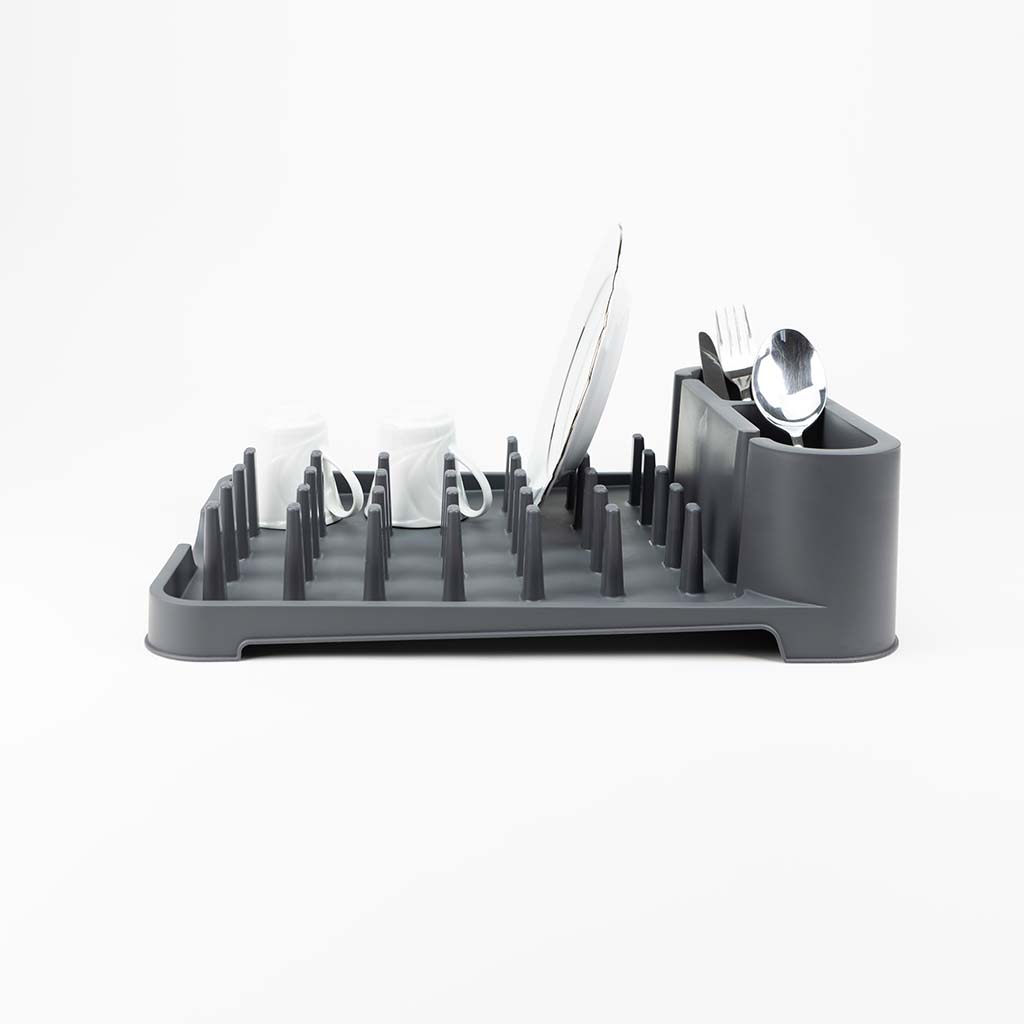
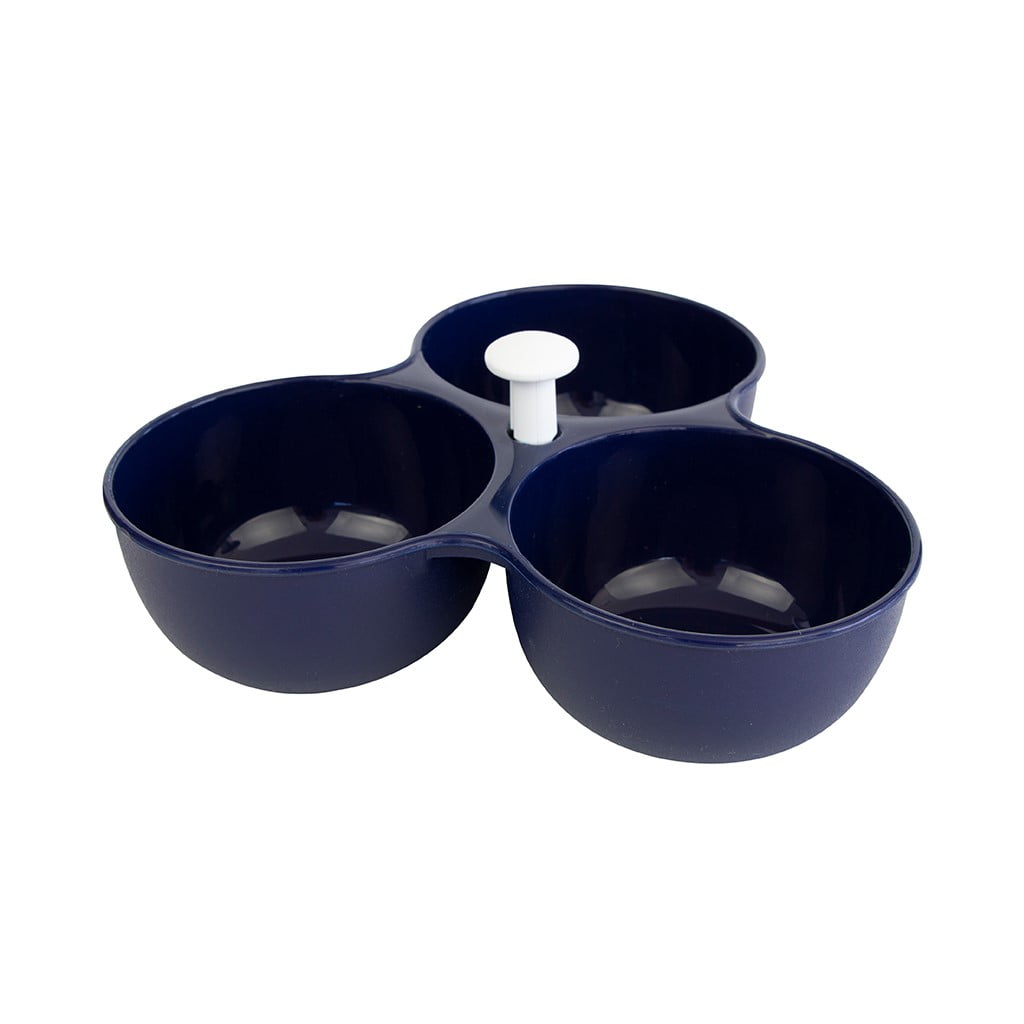
Countertop systems
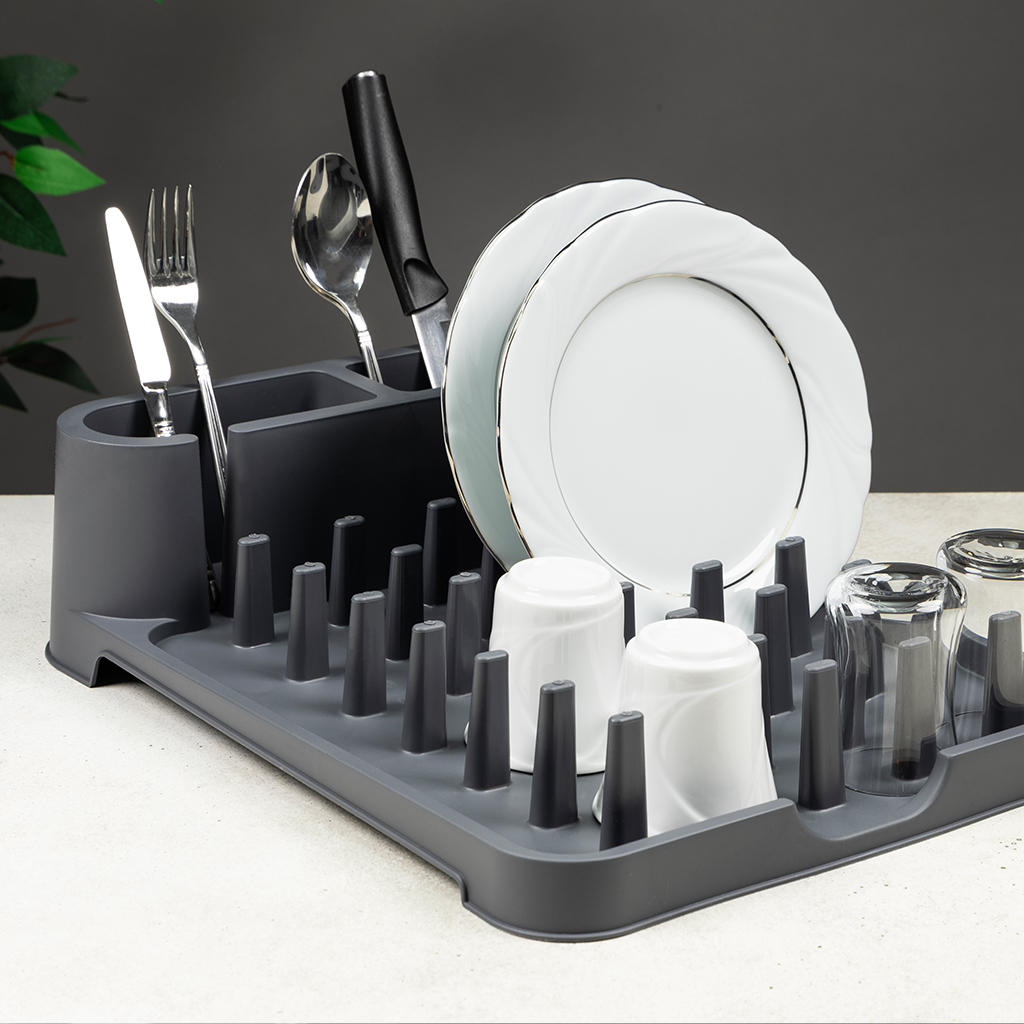
Across dish racks, breakfast sets and snack servers, one language adapts to different use scenarios and part counts.
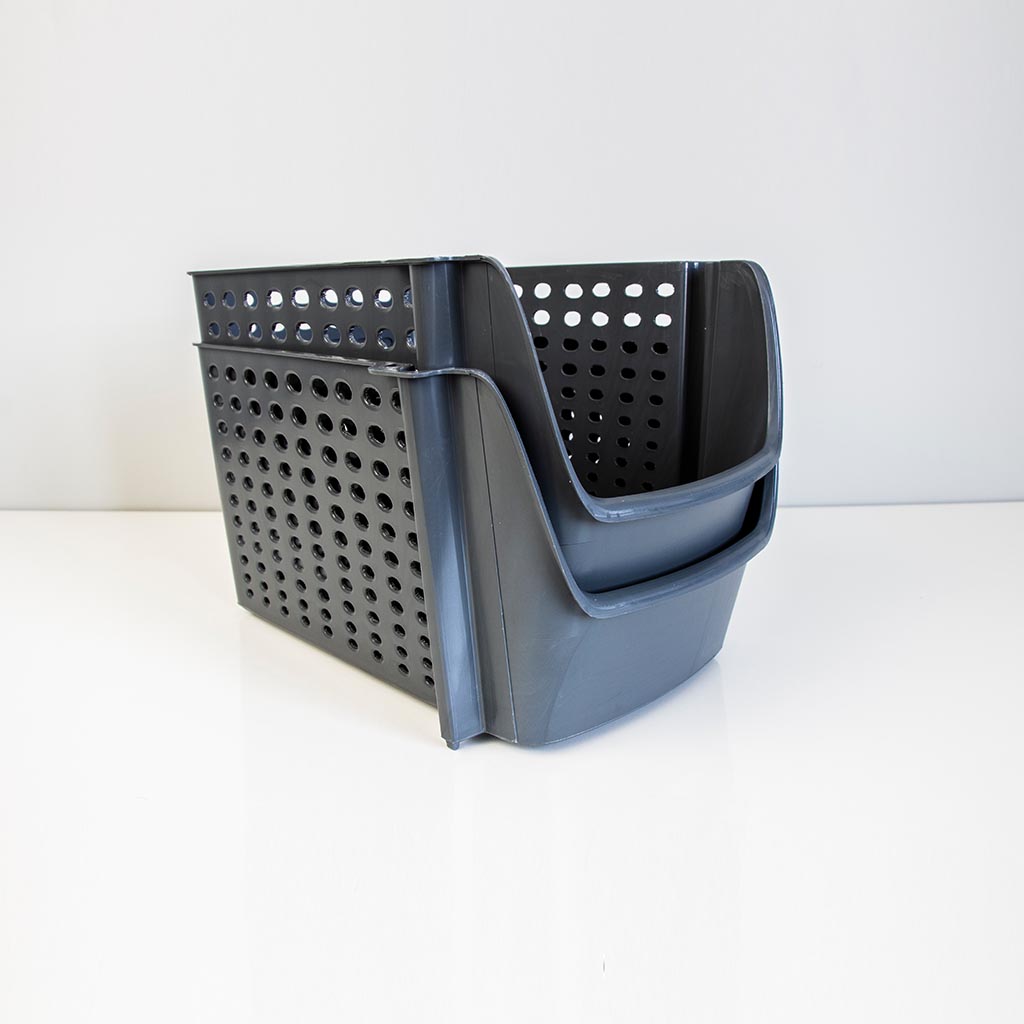
Organisation systems
Parts developed for drawers, refrigerators and pantries are resolved through access, visibility, separation and stacking.
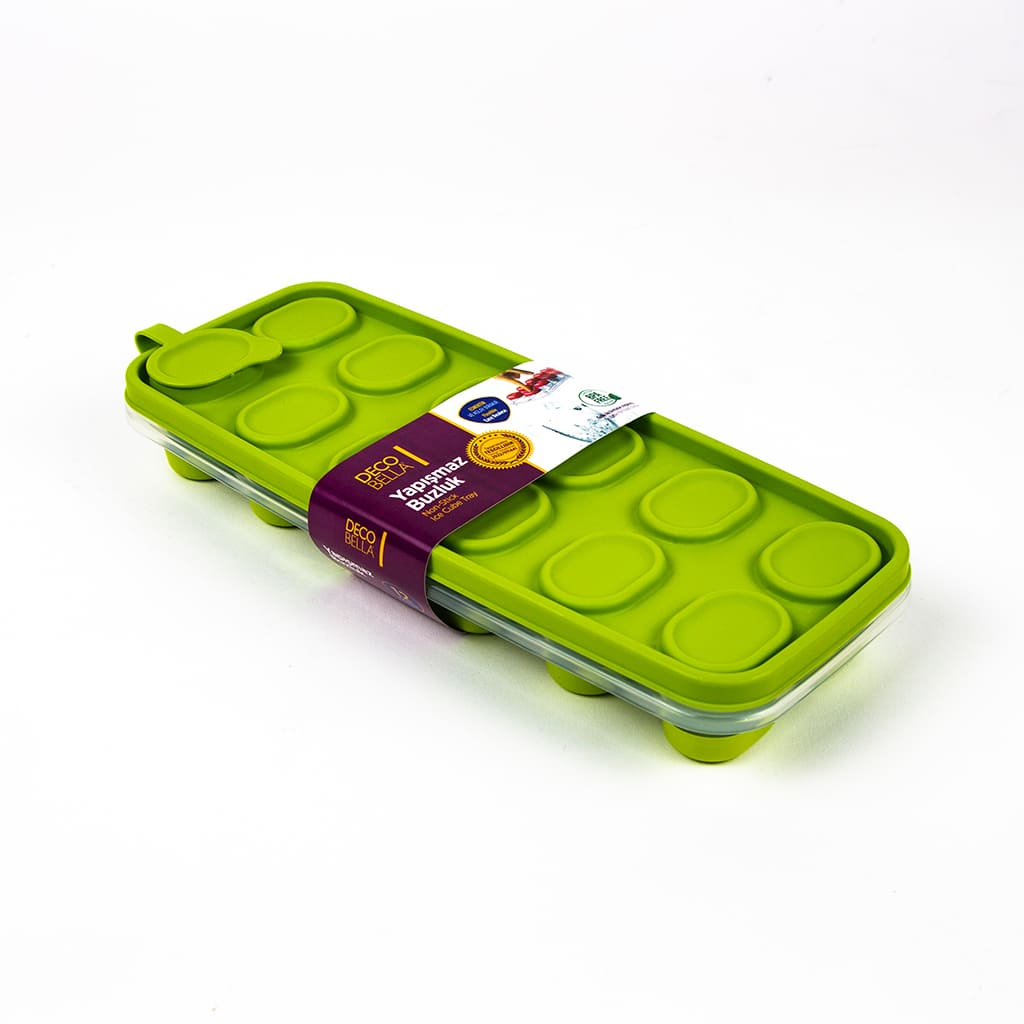
Everyday helpers
Across storage, cooling and preparation products, function is reduced to actions understood at a glance.
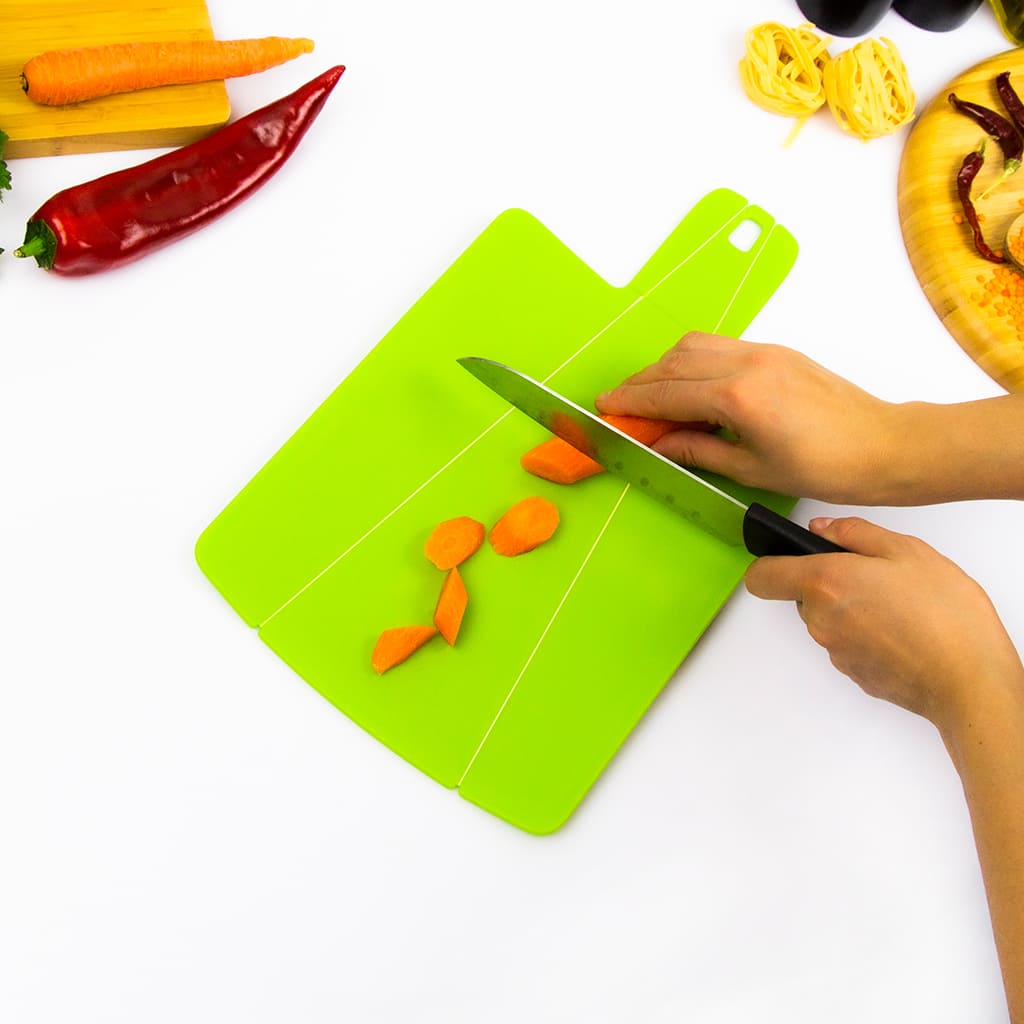
Outcome
This case is archive evidence that Method Studio can establish CAD development, production logic and product-family continuity together—not merely design a single form.