A countertop hydroponic garden that needed to read less like lab equipment and more like a composed domestic appliance.

Case Study / Hydroponic Smart Garden
A growing system turned into a calm kitchen appliance.
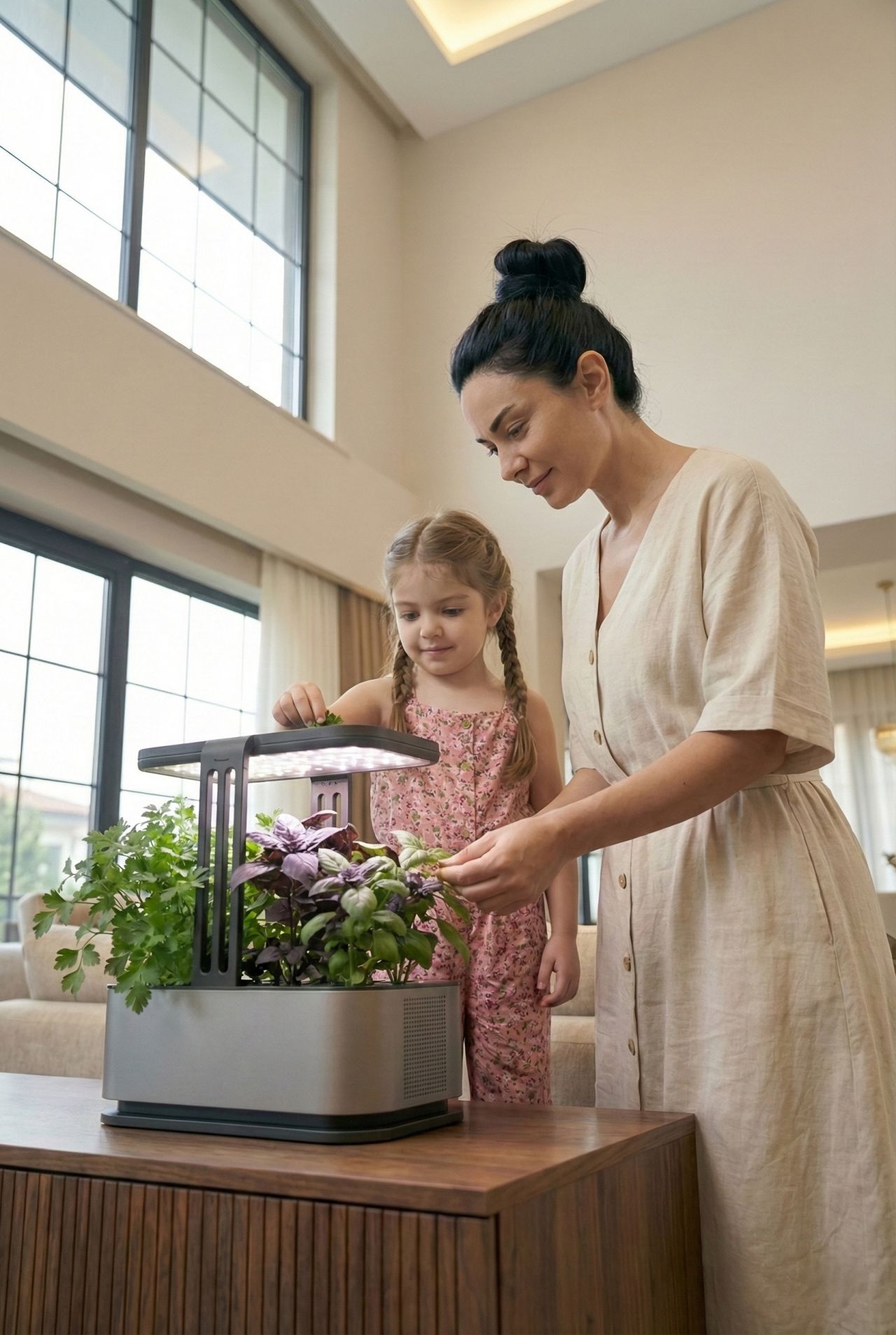
Rhodark translates indoor hydroponic growing into a product that can live visibly at home: controlled light, readable plant access, softened appliance geometry and prototype evidence that moves beyond the render.
IronA' Design Award recognition for the smart garden concept
2024public-approved Rhodark project archive
Hydroponiclight, water, plant pods and interface hierarchy in one object
Prototypephysical growth tests used as portfolio evidence
Project DNA
The value was not hiding technology. It was making growth, water and light feel understandable.
Smart gardens often fail visually because the product becomes a list of features. Rhodark was organized as one domestic object first, then loaded with function: plant pods, LED growth support, water volume, sensing, app connection and lifestyle value.
The form separates plant access, water volume, light position and front-facing service zones so the object can be understood before it is explained.
LED growth support, sensing, app logic, audio and charging value are organized as secondary layers, not visual clutter.
The massing, material contrast and softened perimeter let the product sit in a kitchen without behaving like a gadget.
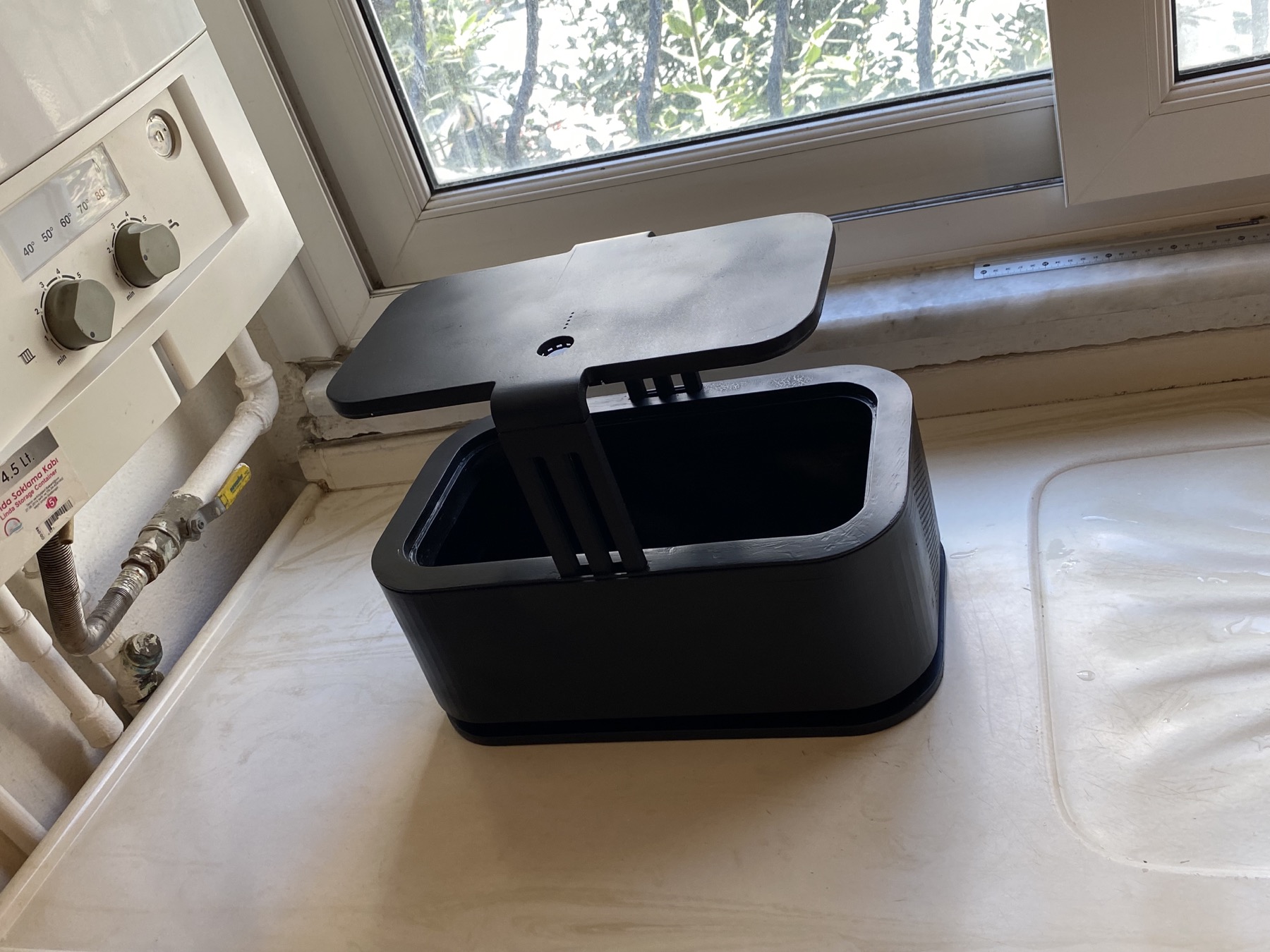
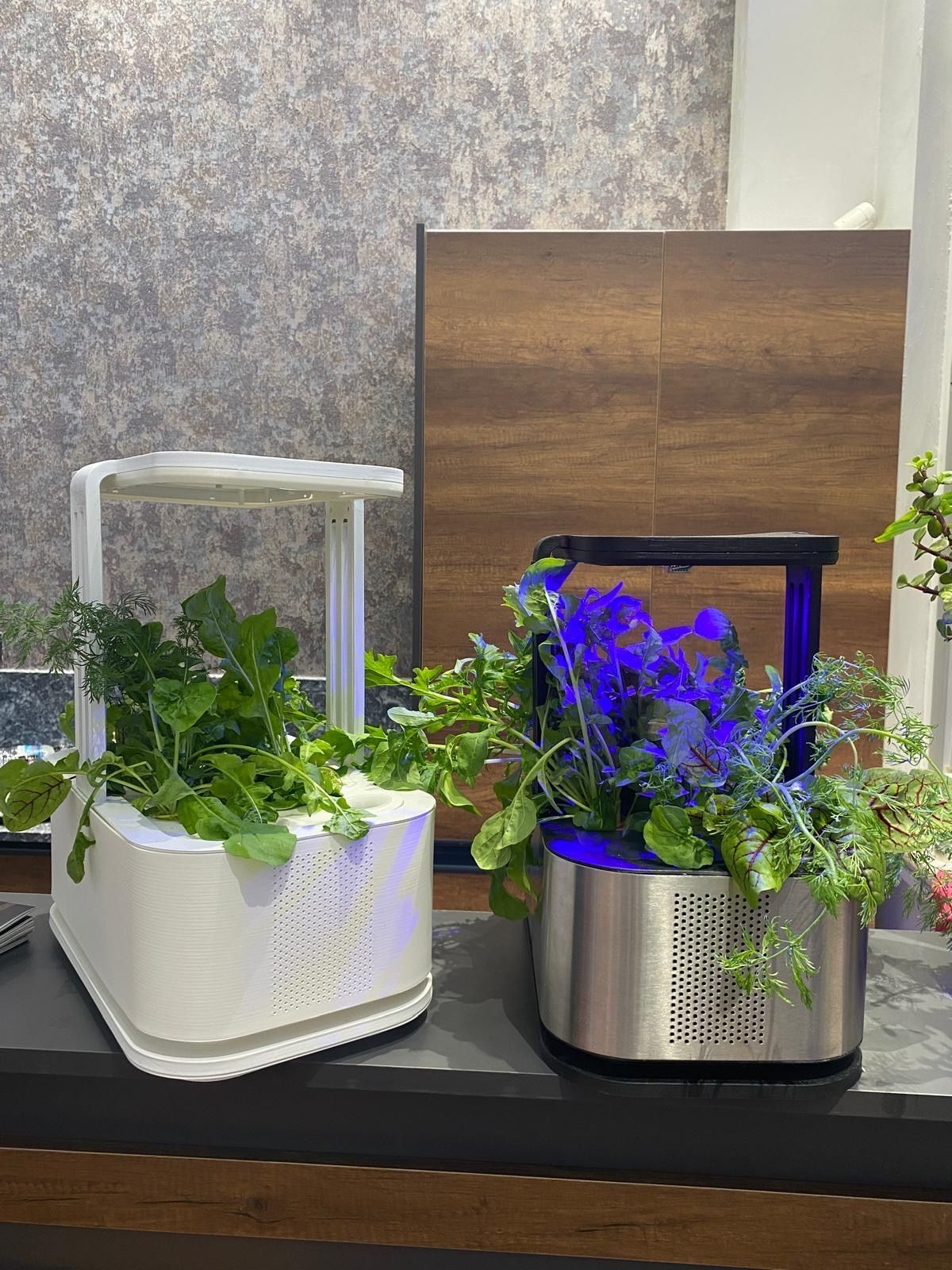
Physical shells, lighting tests and plant growth photos keep the project grounded beyond the premium render language.
Rhodark shows Method's ability to connect product architecture, CAD, visual language, prototype evidence and launch-ready storytelling.
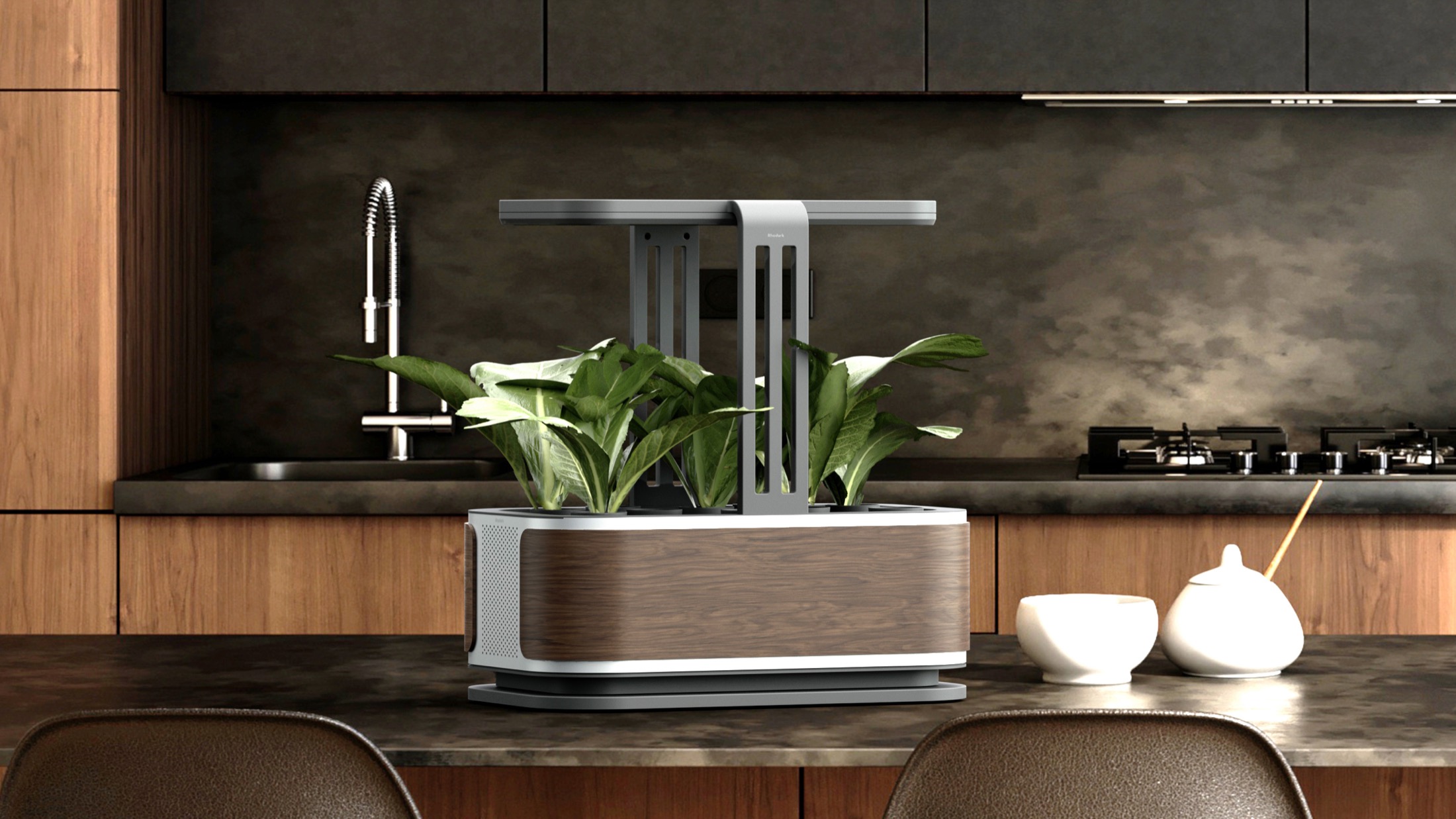
01 / Domestic Premise
The brief was not simply to grow plants indoors. It was to make growth feel welcome in the kitchen.
Rhodark turns a hydroponic system into a visible home product. The main design problem was balance: water, light and technology had to stay readable, but the product still needed the quiet confidence of an appliance that belongs on the counter.
02 / Form Search
Clay animation made the product language easier to read before details took over.
The early clay pass is valuable because it shows the object as mass, silhouette and proportion. Before finish, color or UI, the question is whether the main volume already feels stable, approachable and inevitable.
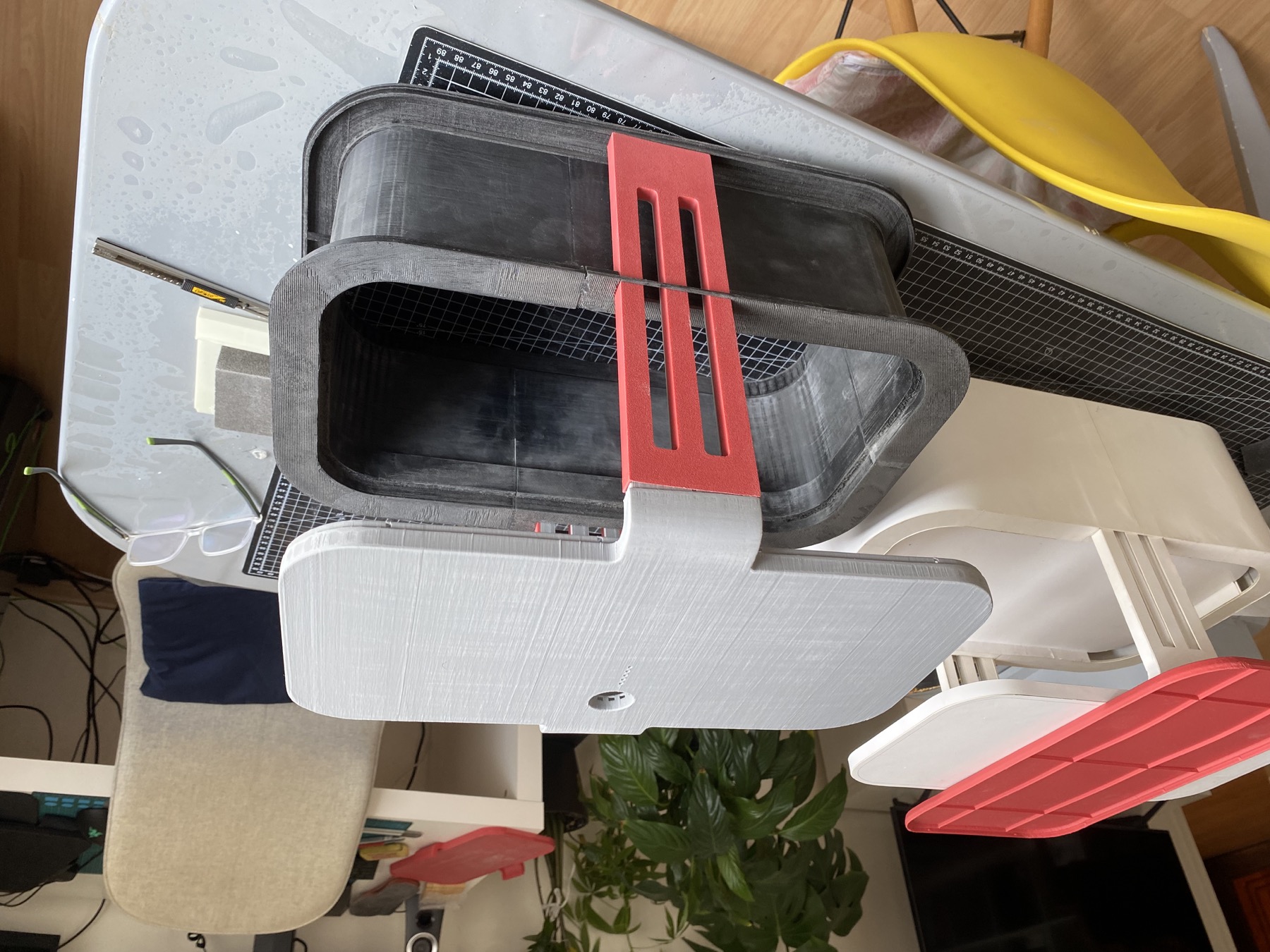
03 / Prototype Architecture
The system had to open, breathe, carry light and still feel like one object.
Physical prototypes tested the relationship between tank body, grow deck, light bridge and front service panels. The perforated zones, layered top and lifted lamp structure became part of how the product explains itself.
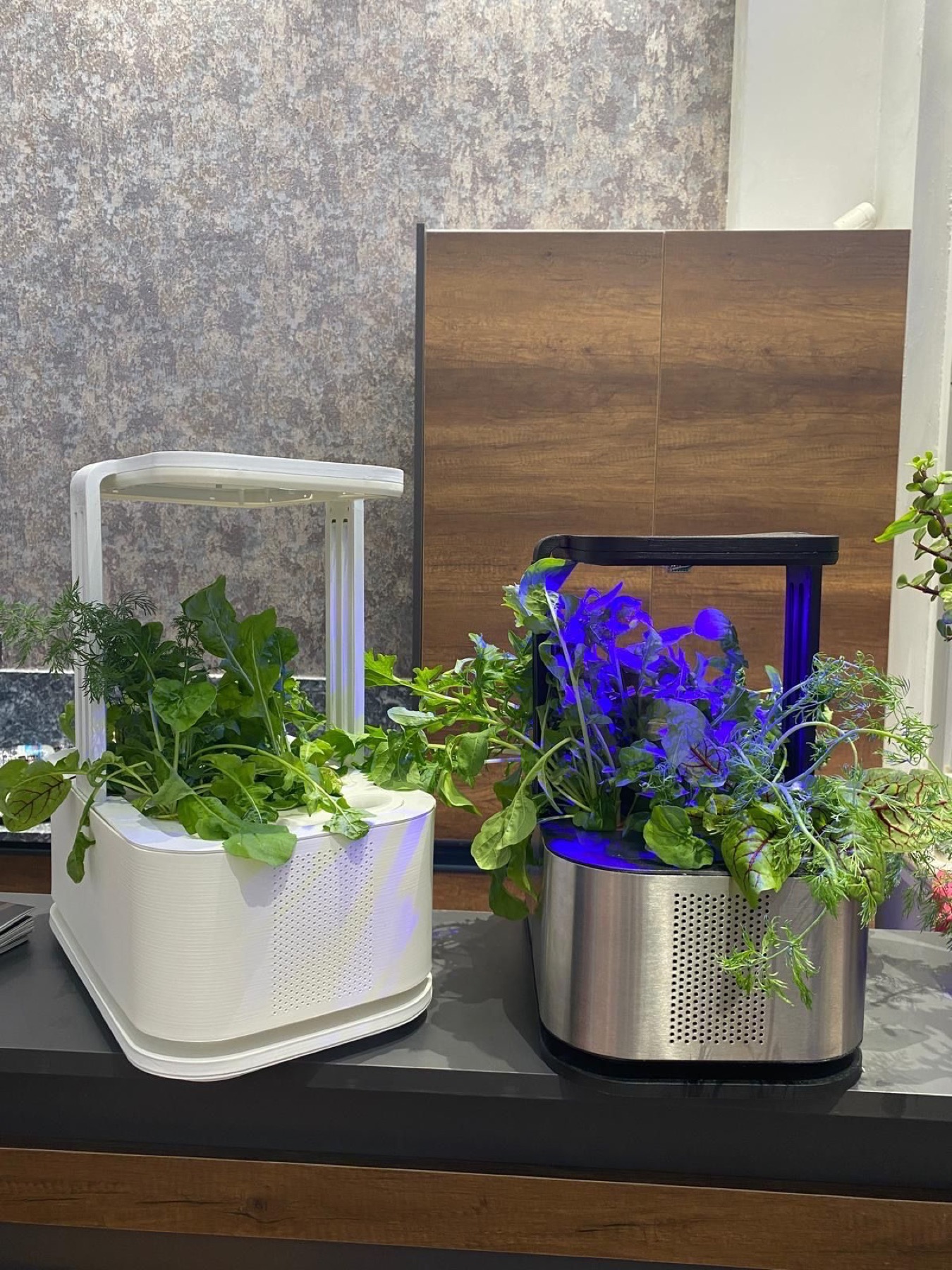
04 / Growth Proof
The strongest evidence is simple: the prototype grew plants.
Rhodark is stronger as a case study when render, prototype and real growth sit together. The project becomes less about a beautiful concept image and more about a product idea that moved far enough to be tested in the world.
Evidence
The case is strongest when finished render, rough prototype and living plants are allowed to sit together.
Rhodark's archive shows the project moving through premium visualization, physical assembly, color/material tests and real growth. That range makes the product story more credible than a single polished hero image.
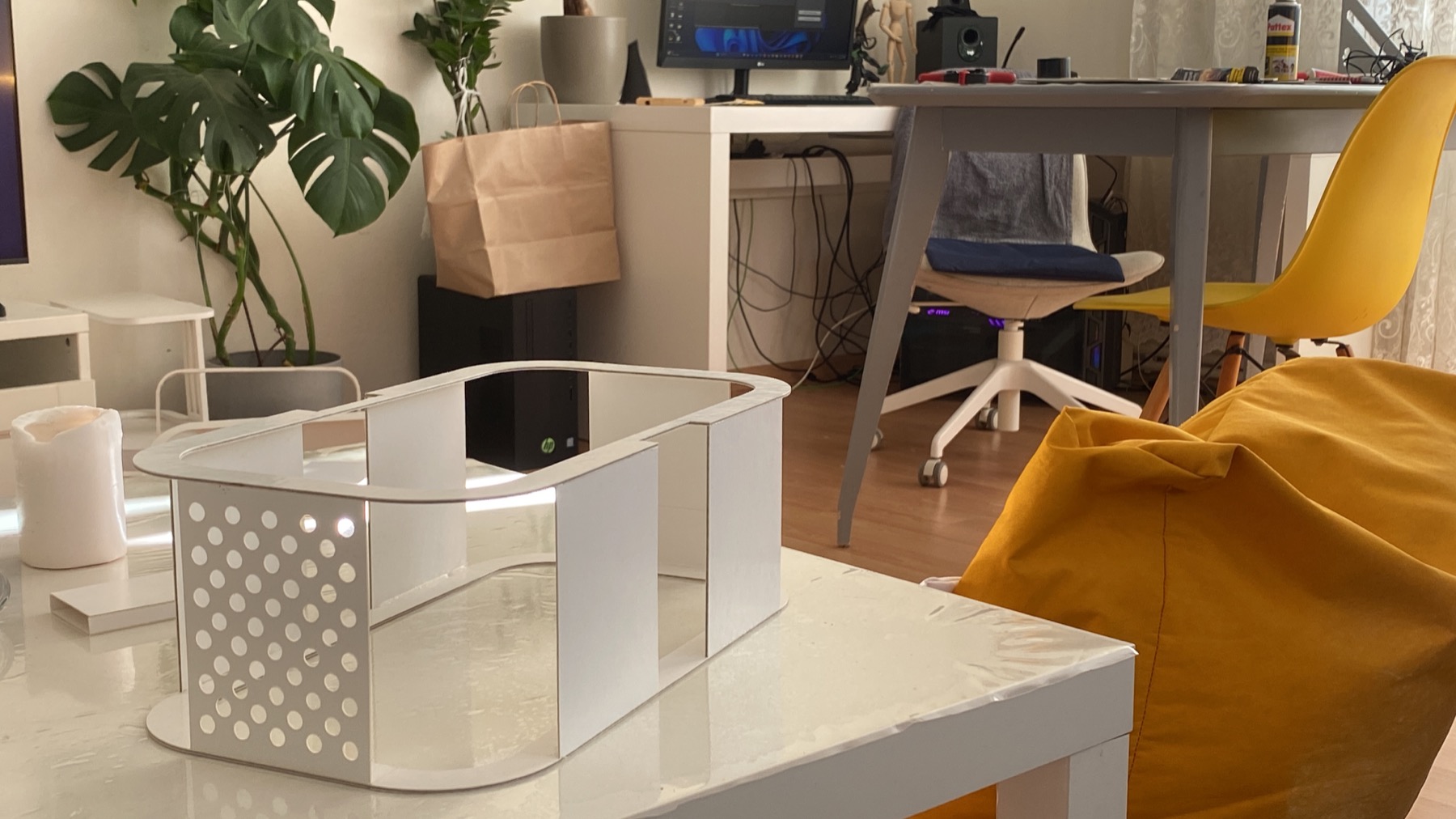
Public use is based on the Method archive notes marking Rhodark as approved for website publication. Award and client claims are kept focused on visible project evidence and approved recognition.
Method Takeaway
A smart product becomes believable when the user can read what it will do before the app explains it.
For home technology and product systems, Method Studio can support the route from object DNA and product architecture to CAD, prototype review, visualization and launch-ready case material.